I’ve had a few things percolating in my head over the last few months, and I’ve finally managed to find a little time to share them…I hope you find them interesting!
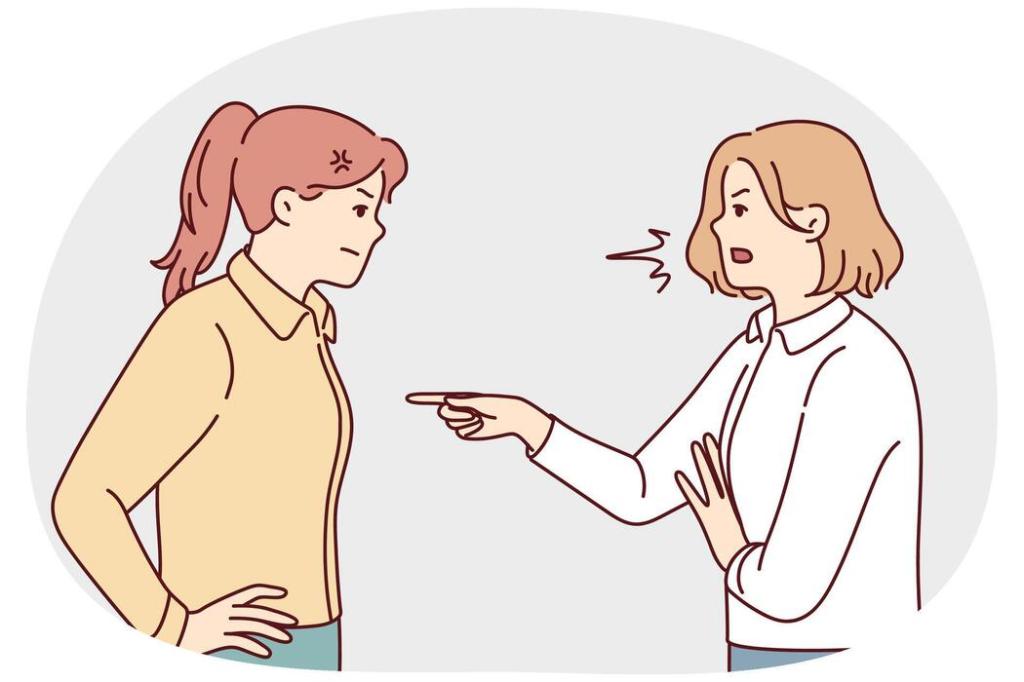
I don’t know about you, but I’m not a big fan of conflict, or more specifically, the sort of conflict which involves big, noisy shouting and aggressive behaviour. You can get conflict which is more ‘controlled’ where disagreements are managed using skills from an emotional intelligence toolkit, but the loud, noisy, aggressive sort is actively triggering for me.
Whilst there’s actually nothing wrong with being angry – this can be a very healthy response – how we handle that, how we respond to it, is a choice. Let me say that again, because it doesn’t get said very often:
It’s ok to feel angry. What you do about that feeling is a choice.
All of our feelings are valid. All of them. But the choices we make in how we show or share those feelings can make a real difference to what happens next…
In the spaces where I’m now working, with public health and public services, anger, frustration, hurt and so on, might be felt by a lot of people at different times:
– A member of the public might feel angry because it’s taken too long to answer their query
– A member of staff might feel frustrated because their computer isn’t working properly
– A manager might feel hurt because they’ve been blamed for someone else’s mistake, even though they gave them clear instructions and provided all the information on time
All sorts of feelings and emotions will be swirling around at any given time, triggered by any number of reasons. Sometimes those feelings might be easy to name or identify, but sometimes they’re not. I think one of the most challenging things in the public services sphere (this would include health, housing, social services, transport etc) is when someone is presented with negative emotions (anger, frustration, blame etc) and they weren’t expecting it.
How do you handle the situation if someone reacts really strongly and you weren’t ready for it? Some of us take a step back (physically or emotionally) and instinctively apologise, while others get defensive (also physically or emotionally) and push back. Both reactions are understandable, but they produce very different results.
The first reaction might diffuse the situation a little – the ‘aggressor’ might either back-down a little as well, or be encouraged to push harder.
The second reaction might either escalate the situation (not helpful), or challenge the ‘aggressor’, forcing them to concede somewhat.
However, I’d suggest that what neither of these approaches does is really understand what the problem is and how to solve it, and this is where blame is often a significant block.
Blame is when responsibility for a negative outcome is allocated to someone, whether they were actually responsible for it or not. Brené Brown, who has done extensive work on the naming and function of emotions, describes blame like this:
“Blame is simply the discharging of discomfort and pain. It has an inverse relationship with accountability. It is a key barrier to connection and a common, yet destructive, response to vulnerability, shame, or betrayal.”
(I would highly recommend her book Atlas of the Heart which is an extensive encyclopaedia based on expert, in-depth research by specialists in their field.)
Blame makes the focus of the conversation on who should be responsible for the error – the pain, mistake, hurt, accusation – resulting from what happened. However what it doesn’t do is understand why the problem really happened, what we can learn from it or how it can be avoided in future? It diverts our problem-solving energy into attack or defence energy, and by the time the situation calms down (if it does at all) the problem still hasn’t been fixed.
This is why I believe that blame restricts growth – because if we’re not learning, then we’re not growing. And if we’re not growing, then we risk becoming stagnant and repeating the same mistakes over and over again. Not only that, but research carried out here in Portsmouth shows that conflict has a direct impact on people’s health & wellbeing and can have long-lasting effects.
How does this relate to public services? Well, if we think back to our frustrated resident waiting on a reply to their query, when they finally DO manage to speak to someone, there is a chance that all that pent-up anger will be unleashed on the staff member in front of them, even though that individual hasn’t been involved until now. That staff member, if they have several experiences like that, might in turn become less patient or understanding with grumpy, frustrated residents and thus a cycle starts and becomes perpetuated by valid feelings being expressed in an unhelpful way. That emotional health impact can then start to have physical effects
This sort of dynamic shows up as well for people living with long-term challenges such as persistent poor health, disabilities, parents of children with SEND and so on. Some of these individuals have had to tell the same story, repeatedly, to a range of practitioners and professionals, sometimes waiting months for an update or outcome. When that outcome is delayed or not what they were hoping for, it can fuel those people’s sense of powerlessness, frustration and rejection. As I have mentioned previously, this links into the unspoken social contract and thus it becomes even more important to have an understanding of all these things when working with vulnerable families AND the staff who support them.
Feeling angry, frustrated, embarrassed, hurt, dismissed or rejected are all reasonable responses to disappointing situations. But blaming someone else (whilst it might feel very good for a while!) doesn’t necessarily solve the problem. Brené Brown explained that blame has an inverse or opposite relationship with accountability – that means blame moves responsibility from the person who should own it, on to someone else. It’s important that we accept or own responsibility for the things over which we have power. If we’ve made a mistake, we should admit to it – but the more important aspect, I’d suggest, is not getting stuck in those feelings of failure, but instead work the problem through until you have a good solution. That’s where we grow.



 Authentic PPIE - the (re)search for authentic engagement
Leave a comment