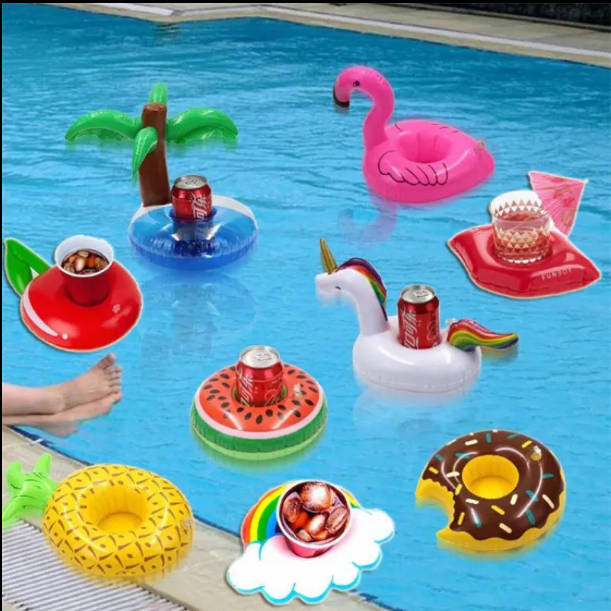
Image: https://shorturl.at/juMqE
I had two really interesting and stimulating conversations this morning and whilst my head is buzzing like a popcorn maker, I wanted to try and process what had been discussed and make sense of it. (Just as an aside: I feel very priviliged to be able to meet with such a variety of interesting people and discuss things which I feel passionate about. To spend time, even online, with someone who gets it is so affirming, motivating and invigorating. It reminds you that you’re not alone in what you’re trying to do 🙂 )
The first conversation was with Kate Henaghan-Sykes from the University of Southampton. She is the Public Partnerships Manager with an interest in primary care research. Kate was discussing a project with me around cultural humility, which is described as “a process of self-reflection and discovery in order to build honest and trustworthy relationships”. (Follow the link to find the quote and related material). Kate’s emerging work in this area comes from a desire to enable her public involvement team to be better able to support researchers when engaging with communities on research projects. However, the timing of this exploration is particularly important in the context of the NIHR’s recent announcement that inclusion is now a key condition for funding. “The requirement will ensure that research is intentionally designed, conducted and communicated inclusively, and researchers will be held to account for delivering on their plans.”
This is an important and necessary addition to the research landscape, and whilst I anticipate that some will find it challenging, others may welcome the imperative to include patients and the public more proactively in their work and to be able to justify the time spent on it. After all, the talking is the work.
Kate and I were discussing the complexity of building relationships across diverse cities like Portsmouth and Southampton. Some community groups are well-known and engage regularly with research groups. Others are outside that circle of influence and neither the groups nor the University knows about the other. Mapping exercises can be helpful here, but the truth is that community groups and the populations they engage with, are fluid and changeable. The image which came to mind for me was rather like the image for this post – a pool of water (which moves) and an array of floats (which also move) that are all different, and have different needs and contexts. (And context, as we know, is key!)
An important element of this kind of engagement work is the underpinning values and ethos with which we approach and (hopefully) work with these groups. Instead of saying “I need you for this project” we say: “I’d like to work with you and others – would you be interested in helping me? What do you think it’s important for me to know? How can we, as an organisation/team/individual do this better?” However, an equally important part is regard: this is the value and respect we afford to someone else, regardless of whether we share the same views or lived experience.
Which brings me on to my second conversation of the morning, with Suzanne Wilson from the University of Central Lancashire. Suzanne works as a researcher in the field of community engagement, with a particular focus on participatory democracy, relational practice and positionality. In other words: how do we help people get involved and share power fairly, in decisions which might affect them? And how does our own knowldge, experience and position in society, help or hinder that? She’s also interested in creative practice, which is something I have a deep love for!
We were talking about the work we’re each doing, and the overlaps between us. I explained about PPI works in the NHS and my frustration with the ‘petrol station’ model where some researchers approach me for help in getting PPI, but actually there’s no relationship, there’s no reciprocity – it’s just an exchange of function. Suzanne commented that PPI contributors were viewed as a commodity and that resonated with me so strongly! You don’t have a relationship with a commodity. You don’t afford regard to a commodity. It is simply a means to an end. A useful resource as part of your bigger picture. But who are you, as the researcher, to these people? I wonder if any researchers have ever viewed themselves as a commodity to the public? I wonder if any of us have ever considered who we might be in the context of someone else’s bigger picture?
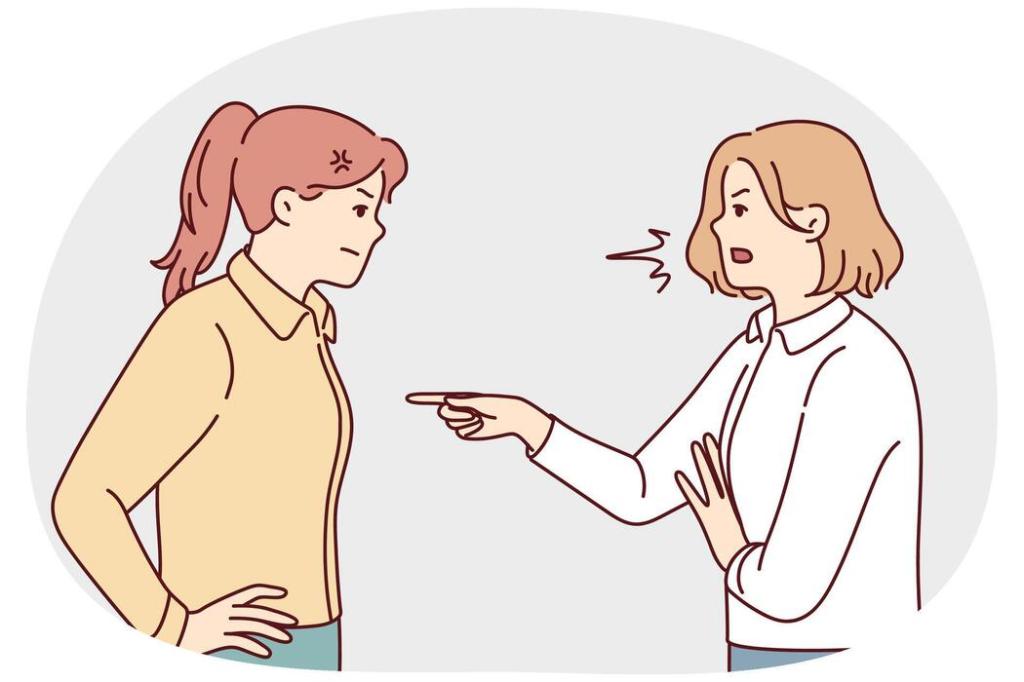
Which brings me to the title of this post: “I need six Romanians by next Tuesday.” This was an actual* statement said to a colleague of mine in a University down the coast. A researcher wanted to do a study with a particular people group and not only expected my colleague to have access to the required number of Romanian nationals, but also that they would conveniently be available in five days time.
“……..”
I couldn’t quite believe what she’d said, when she first told me. I almost wanted to ask: “Do you keep a stash of Romanians in your cupboard for emergencies?!” The statement – no, the expectation of that researcher was both diminishing and naive. Diminishing of the individuals they wanted to work with; diminishing of my colleague, but also sadly of themselves. It also revealed their naiviety in thinking that members of the public are just waiting around to be asked to get involved in research, instead of being fully engaged in their own lives.
Where is the democratic participation in this scenario?
Where is relational approach?
Where is the regard and basic respect for others?
Where is the reciprocity or mutual benefit?
These are the things which enable research to be truly influential and life-changing. These are the approaches which enable public involvement to be sustainable and resilient – when everyone involved in a project feels that their contribution, however large or small, is valued and useful. When they know that their lived experience has helped to contribute to a piece of research which will in turn shape policy and the delivery of services for people just like them.
Not commodities. Partners. Collaborators. Co-creators. Co-researchers.
And to get to that, we need to address the underlying culture and expectations of research, both within the healthcare sector, but also the academic sector. We need to help leaders and policy makers understand that the talking is the work, and this work around public involvement and inclusion isn’t a light switch which can be turned on and off at will; it requires an investment of time, emotional intelligence, insight and basic courtesy. We need to teach and to understand that community groups are like the pool floats in the image above: diverse and constantly moving, dealing with their own issues and needing a tailored approach for each individual group. These are the underpinning values we need in the research world, and they need to become mainstream and normalised. I do see more of this rhetoric coming through in meetings and conversations with people, but I also think there’s a lot more work to be done before comments about ‘needing six Romanians by Tuesday’ becomes an anarchic relic.
*I have changed the nationality of the group for safeguarding reasons.


 Authentic PPIE - the (re)search for authentic engagement
Leave a reply to It’s a starfish problem – Authentic PPIE – the (re)search for authentic engagement Cancel reply