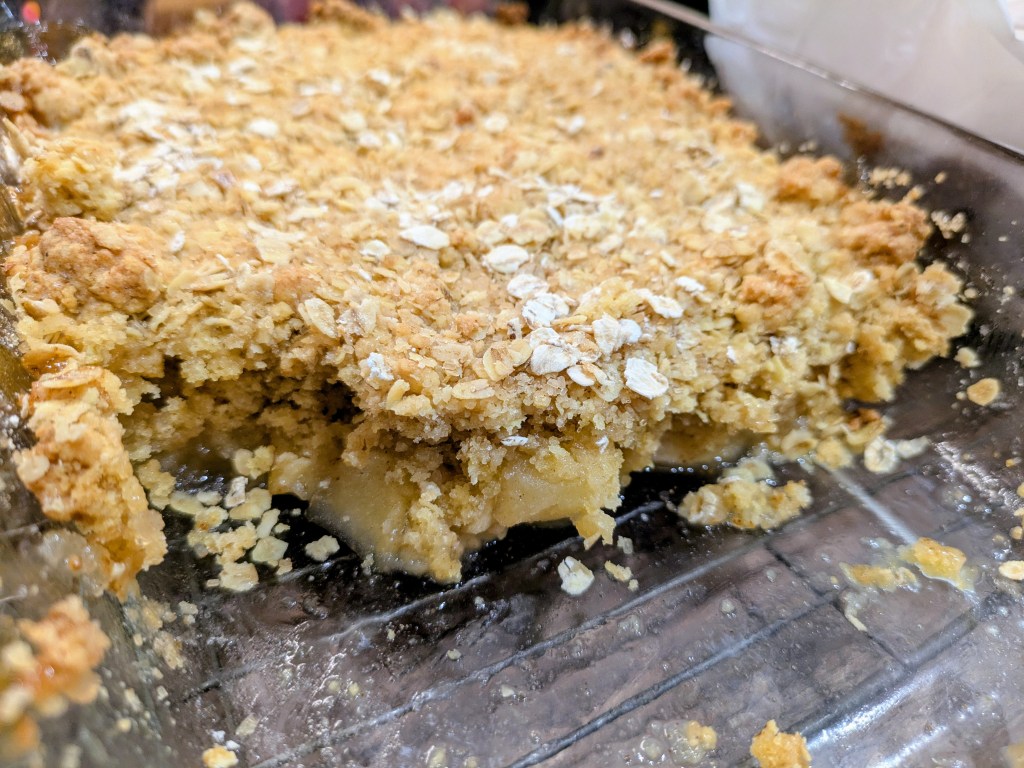
Image: homemade apple crumble, made by me, using windfall apples
A couple of weeks ago I had the priviledge of attending the Social Pedagogy Professional Association conference, which was held at The Mulberry Tree Third Space in Gloucestershire. I wrote an initial post reflecting on my experience in my previous entry, but this post is something a bit different, and I’ll explain why.
On the drive over to Toddington, I stopped at a Services station for a much needed break. I got a hot drink and a snack and went to sit on a bench in the sunshine. Just a little way away from where I sat was an apple tree, heavy with fruit. I don’t know how it came to be at a service station in the middle of nowhere, but there it was! I thought I’d collect a couple of windfalls (apples which have fallen from the tree) and maybe make a spiced apple cake for my volunteers meeting on Monday.
At the Third Space venue there were more apple trees! I asked someone if I could collect some windfalls and they handed me a bag and told me to help myself! There were different varieties scattered on the ground, some quite fresh and others much further along in their decomposition. I carefully chose a good selection and popped them in my car to take home the next day.
When I got round to making the cake, I checked the apples to see how bruised they might be? I knew there would be bruises, or perhaps little holes nibbled by insects. But I also knew that there would be more than enough ‘good bits’ to outweigh the bad bits, and make a good cake. I took time cutting away the bruises and browned bits, gathering the pieces in a bowl and squirting them with lemon juice to stop them going brown. In the end I had enough apple pieces for a spiced apple cake and some apple crumble! Hurrah!
As I was cooking and prepping, it occurred to me that Social Pedagogy and the approach it encourages us to take with vulnerable people or those who’ve led challenging lives, is very similar to the approach I’d taken with the windfall apples.
You see, many people might look at the windfalls and see only the bruises. They might see the nibbled holes and think that these apples have nothing good to offer. They’re not useful or valuable. If these windfall apples represent the people we work with in public services, then perhaps many professionals/staff/practitioners view these individuals as a collections of bruises and holes, rather than what they also are: an apple which has good bits, not just bad bits.
Social Pedagogy has a principle called The Diamond Model. It recognises the potential that each person holds within them, and it’s the role of the Social Pedagogue to help create the conditions where that potential can really shine through. It’s that mentality which sees windfall apples as ‘fruit with good bits, not just bad bits’ which would be great in a cake or crumble, rather than assuming that the whole fruit is bad and has nothing of worth to contribute.
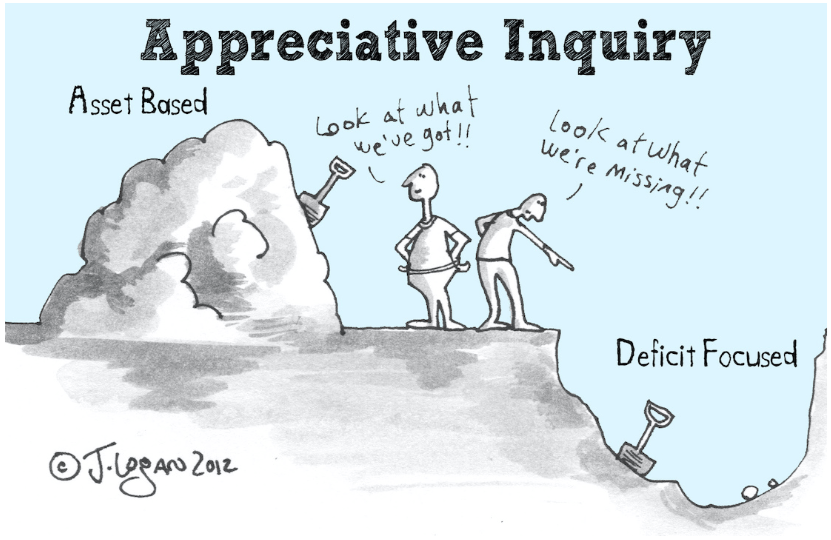
This kind of thinking (‘this bruised apple has nothing to offer’) is a deficit model, where we often see public services focusing on the problems or the lack of resources/access/choices that people have, rather than emphasing the strengths or positive attributes that person might have. (You can read a bit more about a global mental health study challenged the deficit model here.)
Social Pedagogy seems much more like an asset or strengths-based model to me. It’s starts with the assumption that every ‘apple’ has worth and value and something useful to contribute, rather than seeing a few bruises and interpreting that as the sum total of who a person might be.
This is one of the reasons why I think Social Pedagogy could be such a good fit for public involvement in research, because it establishes all contributors (public members and researchers) as having something useful to offer, rather than assuming a heirachy of knowledge. A heirachical approach runs the risk of devaluing some contributions on the basis of assumption, which means a project could miss out on some key insights. Social Pedagogy principles can help create the conditions for a more democratic and power-sharing space, where even bruised apples can become a beautiful, tasty crumble!




 Authentic PPIE - the (re)search for authentic engagement
Leave a comment