Image: https://www.thespruceeats.com/traditional-british-rich-fruit-cake-recipe-435791
Clearly the visual part of my brain is on a roll right now (and also possibly because I’ve been having some fab conversations with interesting people!)
So, I met up with Gail again yesterday (you can blame her for my fruity brain!) and we were discussing a presentation we’re doing next week about the Sandbox project at the CRN Wessex Small Grants Showcase. While we were talking, we also got back on to the subject of PPI and the blog post I’d written following our conversation last week.
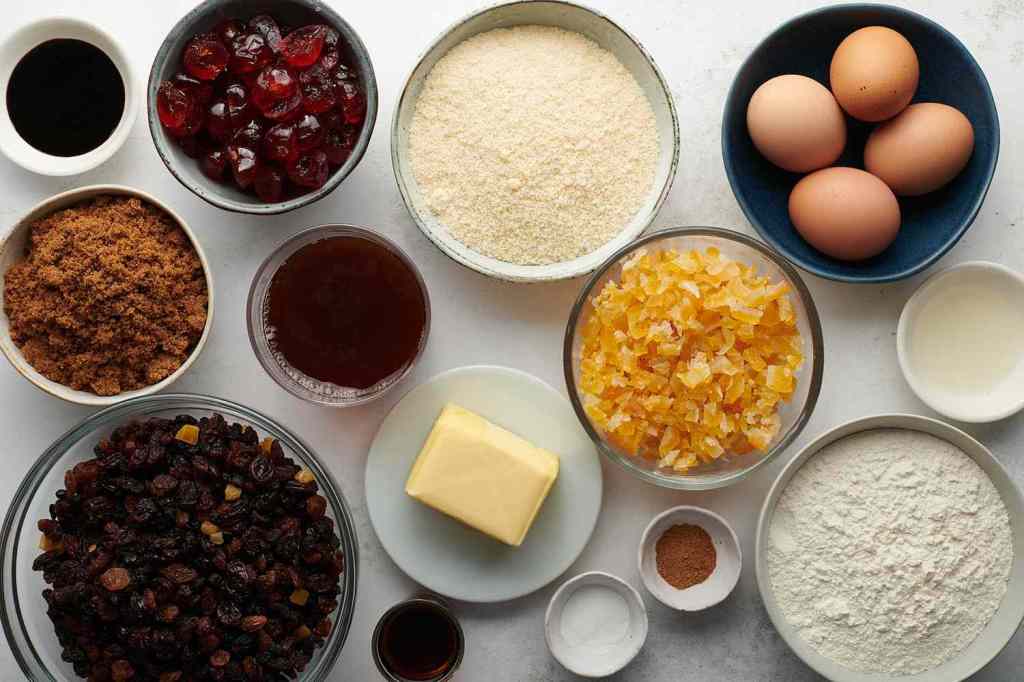
Yet another useful analogy popped into my head: for some people, perhaps they think that PPI is just one of a number of ingredients as part of a research study, like making a fruit cake? They assemble all the ingredients together (Medic? Check. Data Analyst? Check. Public Contributor? Check.) and carefully measure them out and put them in a bowl (the Study Management Board?).
And then they look at the bowl and declare aloud: “Cake!” as if it were a spell or conjuration, and that cake should simply just appear. After all, the ingredients are all there – so why isn’t it ‘cake-ing’?
Anyone who enjoys baking (especially fruit cakes) will know that there’s a bit more involved than that. You need to soak the dried fruit the night before. You need to mix the butter and sugar together before adding the other ingredients. You need hot water in a mug and two spoons if you’re going to be able to manage the treacle successfully…! And you need to bake it on a low heat for a minimum of two hours (in some cases four).
To be fair, all of these top tips for baking fruit cake are only known to me because someone else already found out and shared it in a recipe. (That’s phronesis again.) But a recipe isn’t just about ingredients, it’s about how they’re handled and mixed together in order to achieve the desired consistency, along with how long the cake is baked and at what temperature.
In research, I think we have plenty of ‘recipes’ for PPI and how to manage a research study. But perhaps people only read the ingredients list and don’t bother reading the actual instructions? That’s the part which tells you how to gradually introduce the ingredients (team members) together, how to set the baking temperature (boundaries) and the understanding of why you need baking powder or eggs to bind everything together (roles and expectations). That’s how you make a group of people into a successful team – particularly if you have a mixture of paid professionals and remunerated public contributors.
And the good news is: these skills can be taught. It’s certainly not all ‘doom and gloom’! Researchers and public contributors can be supported in learning how to work together and perhaps Social Pedagogy might be a good approach to use? But this willingness to change and learn together also needs to be accompanied by a wider cultural change within the research community, otherwise, without the right conditions (an oven that works and keeps its temperature) this kind of work won’t thrive – it’ll sink and have a soggy bottom. (I think I’ve exhausted all the cake and Great British Bake Off analogies now!!)
(By the way, if you’re interested, I’d highly recommend this vegan Christmas Cake recipe. It tastes amazing, keeps really well and I have it on good authority that non-vegans couldn’t tell the difference!)





 Authentic PPIE - the (re)search for authentic engagement
Leave a comment